Polycystic ovary syndrome (PCOS): understand, manage and live with it
Table of Contents
What is PCOS?
PCOS is a chronic endocrine disorder affecting 6–13% of women of reproductive age. It presents with menstrual irregularities, anovulation and sometimes infertility. PCOS is not always curable, but symptoms can be improved with targeted measures including diet, physical activity and medical management.
Causes and biological mechanisms
- The exact cause is partially understood: contributing factors include hormonal imbalances (elevated androgens)
- low‑grade inflammation
- insulin resistance
- genetic predisposition and lifestyle elements (high‑sugar diets
- sedentary behaviour
- stress
- sleep disruption).
PCOS symptoms
Symptoms vary but often include irregular or absent periods, infertility, acne, hirsutism, hair thinning, abdominal weight gain and insulin resistance. Ultrasound may show numerous follicles but is not required for diagnosis.
Link with insulin resistance and metabolism
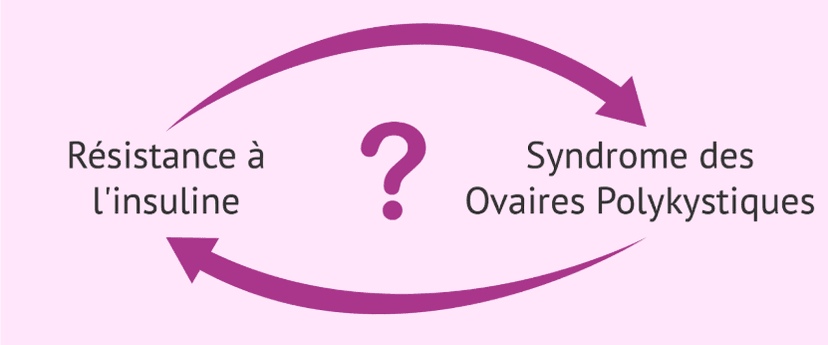
- Insulin resistance is common in patients with PCOS, even without overweight
- It increases insulin secretion, stimulates androgen production and worsens ovulatory disturbances
- Dietary and exercise interventions can improve insulin resistance and positively affect hormonal markers and body composition
Diet and lifestyle
Low‑glycemic diets, DASH or Mediterranean patterns and hypocaloric approaches when weight loss is needed have shown benefits in PCOS. Emphasize vegetables, whole grains, lean proteins, unsaturated fats and omega‑3 sources. Combined aerobic and resistance exercise is also recommended. Some micronutrients (vitamin D, magnesium, zinc, inositol, omega‑3) may be helpful as adjuncts under medical guidance.
Management and treatment
- PCOS management is based on lifestyle (diet, physical activity, weight loss if needed) and targeted treatments for symptoms (contraceptives, anti‑androgen therapies, acne treatments, fertility management as indicated)
- Personalized follow‑up with a healthcare professional is essential
Conclusion
PCOS is a chronic condition with hormonal and metabolic components; while often not curable, effective management is possible through a holistic approach combining tailored diet, physical activity, medical follow‑up and symptom management. This can improve insulin resistance, fertility and quality of life.
Scientific references
- World Health Organization – Polycystic Ovary Syndrome fact sheet (2025)
- Ameli.fr – PCOS treatment (2025)
- Miao C. et al. (2020)
- Systematic evidence – DASH, low GI and lifestyle interventions in PCOS (Nutrients, 2025)