Insulin resistance: understand, prevent and adapt your diet
Table of Contents
What is insulin resistance?
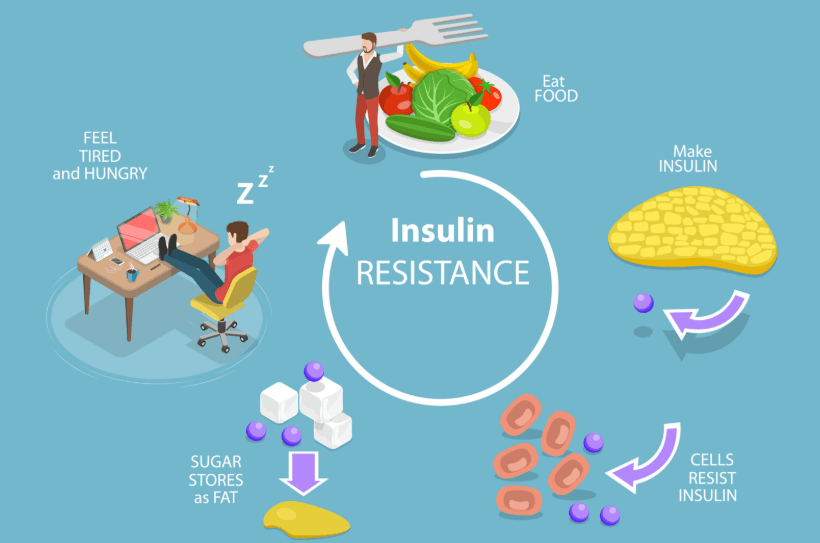
Insulin resistance (IR) is a condition where cells become less responsive to insulin, causing the pancreas to secrete more insulin to compensate. If compensation fails, it can progress to type 2 diabetes. IR is linked to metabolic syndrome and cardiovascular disease.
Causes and risk factors
- Excess abdominal weight
- Sedentariness
- Diet high in simple sugars
- Stress, lack of sleep
Symptoms and complications
IR can be silent. Possible signs include unexplained fatigue, abdominal weight gain, sugar cravings, hypertension and dyslipidemia. Complications include type 2 diabetes, cardiovascular disease and nonalcoholic fatty liver disease.
Dietary approaches
- Appropriate diet can improve insulin sensitivity: limit simple sugars and ultra‑processed foods
- favor complex carbohydrates, fiber and quality proteins
- prefer unsaturated fats (olive oil, avocado, nuts) and aim for 25–30 g fiber/day
- Hydration and regular distribution of protein across meals are important
Lifestyle and prevention
Regular physical activity (150 min/week moderate exercise + strength training), maintaining a healthy weight, stress management, sufficient sleep (7–9 h) and regular medical monitoring (glucose, HbA1c, lipids) reduce risk and improve insulin sensitivity.
Relation with overweight and obesity
- IR is strongly linked to excess abdominal fat
- visceral fat secretes pro‑inflammatory cytokines and adipokines that impair insulin action
- Even with a normal BMI, abdominal fat accumulation raises metabolic risk
Conclusion
Insulin resistance is a central factor in type 2 diabetes and metabolic syndrome. Balanced diet, regular physical activity, stress management and medical follow‑up are essential to prevent and address IR.
Scientific references
- CDC – Prediabetes (2023)
- WHO – Diabetes (2021)
- Diabetes Care – Lifestyle intervention and insulin sensitivity (2022)
- Després JP (2006)
- Harvard T.H. Chan School of Public Health (2023)
- Hotamisligil GS (2006)