Nutrition for older adults: what’s needed to age well
Table of Contents
Why nutrition is essential for older adults
After 60, nutrition becomes an essential preventive tool to preserve health, independence and quality of life. Appropriate nutrition helps maintain muscle mass, protect bone strength, support immunity and prevent malnutrition.
What changes with aging?
- Decreased appetite
- Muscle loss (sarcopenia)
- Slower digestion and reduced absorption
- Lower sensation of thirst
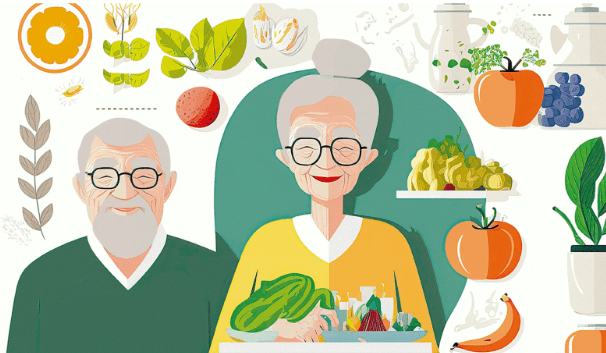
Essential nutritional needs
Key nutritional needs for healthy aging include adequate protein, calcium, vitamin D, fiber, antioxidants and omega-3 fatty acids. Hydration remains essential.
Nutritional risks in older adults
- Unintentional weight loss
- Malnutrition
- Risk of falls and complications
Why nutritional follow-up is important
Every older adult is unique: an individualized assessment considers health status, treatments, level of autonomy and cultural habits. Tailored nutritional support improves appetite, prevents deficiencies and helps maintain independence.
Conclusion: age well through nutrition
- Eat better and more deliberately
- It’s never too late to improve your diet
- Seek specialized support when needed
Scientific references
World Health Organization (WHO) – Nutrition for older persons; Volkert D. et al., ESPEN guideline on clinical nutrition and hydration in geriatrics (2019); Deutz NEP et al. (2014); Bauer J. et al. (2013); Institute of Medicine – DRIs for Calcium and Vitamin D (2011); EFSA (2017); Cederholm T. et al. GLIM criteria (2019).