Childhood obesity in Tunisia: understanding, prevention and action
By Ichrak Haddad•1/31/2026
← Back to articlesTable of Contents
Introduction
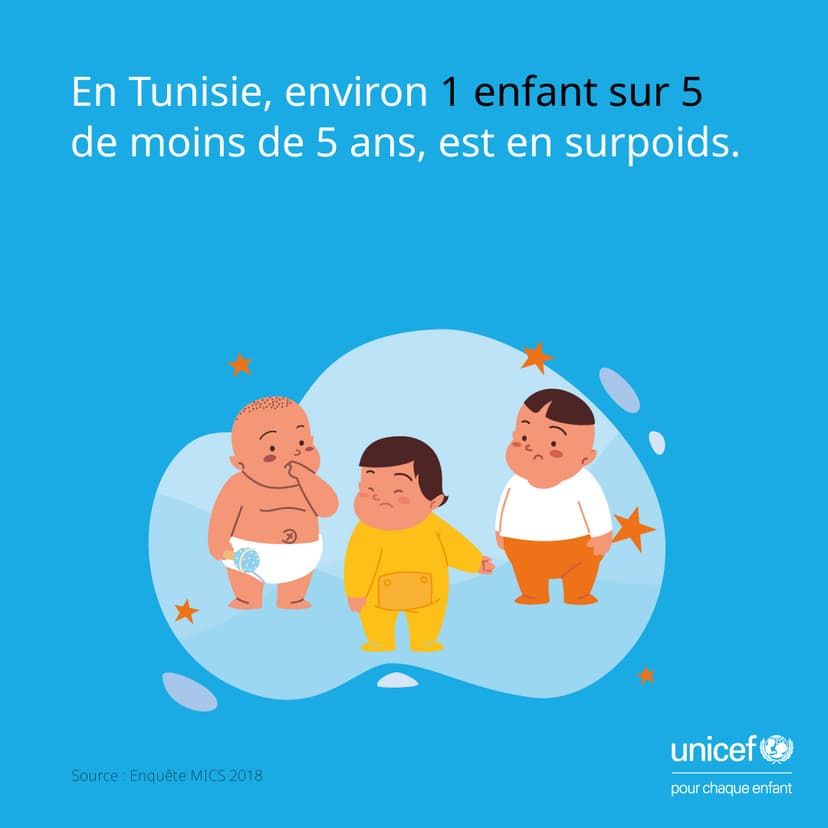
Did you know that nearly one in five children in Tunisia is overweight or obese? Childhood obesity is not only an aesthetic issue: it can affect children’s physical, mental and social health. This article explains the causes, consequences and practical solutions to help children grow up healthy.
Key figures and current situation

- Prevalence: 20% of Tunisian children are overweight or obese
- Urban areas show higher rates compared to rural areas
- Trend: an increase of 5–10% over the past 10 years
Main causes
- Unhealthy diet (excess sugar, processed snacks, sugary drinks)
- Sedentary lifestyle (prolonged screen time, lack of daily physical activity)
- Family and genetic factors
- Environment (limited access to fresh foods, lack of safe play spaces)
Health consequences
- Type 2 diabetes
- Hypertension
- Cardiovascular disorders
- Low self-esteem
- Anxiety and social isolation
- Increased risk of adult obesity
Practical and sustainable solutions
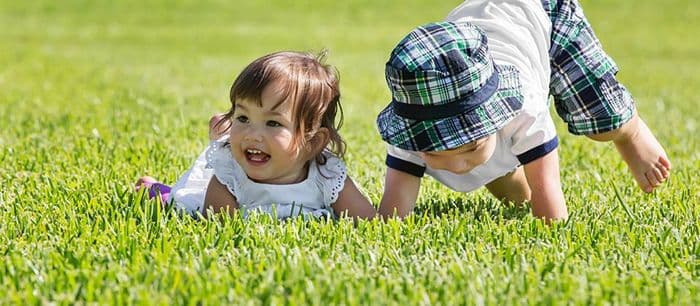
- For parents: offer balanced meals, limit sugary drinks, encourage daily physical activity and create an active family environment
- For schools: integrate nutrition education and promote healthy meals at school
- For children: involve them in meal preparation, create fun activity routines and ensure adequate sleep
Conclusion & Call-to-action
- Preventing childhood obesity is everyone’s business: parents, teachers, communities and children
- By adopting healthy and sustainable habits we can prevent chronic diseases and support balanced lives
- Practical tip: for personalized support, a tailored nutrition consultation can help create a custom plan for each child
Scientific references
- World Health Organization – Childhood overweight
- Tunisian Ministry of Health 2022
- American Academy of Pediatrics – Childhood Obesity
- Journal of Pediatric Endocrinology & Metabolism – Childhood Obesity Review